Category Archives: Chicken Farming

How to Identify and Treat Vitamin Deficiencies in Chicken

In this article, we’ll explore the signs that can indicate nutrient deficiencies in chickens. It’s important to keep a close eye on our feathered friends as they rely on a balanced diet for their optimal health and well-being. By recognizing these signs, we can take the necessary steps to ensure our chickens receive the proper nutrition they need to live happy and healthy lives. So, let’s dive into the world of chickens and uncover the clues that might reveal their nutrient deficiencies. Nutrient deficiencies in chickens can lead to a range of health problems and can have a significant impact on their overall well-being. In this article, we will explore the signs and symptoms of various vitamin and mineral deficiencies in chickens, as well as the potential consequences that these deficiencies can have on their reproductive health, growth, and overall vitality.

Vitamin A Deficiency

Vitamin A plays a crucial role in maintaining healthy eyesight, immune function, and reproduction in chickens. When chickens lack sufficient vitamin A in their diet, it can lead to various health issues. One of the most noticeable signs of vitamin A deficiency is eye abnormalities. Chickens with vitamin A deficiency may develop crusty or watery eyes, and their vision may become impaired. Another consequence of vitamin A deficiency is reproductive problems in hens, which can result in reduced egg production or even infertility. Additionally, chickens with vitamin A deficiency may experience stunted growth, with their overall development being hindered.

Vitamin D Deficiency

Vitamin D is necessary for the proper absorption of calcium and phosphorus, which are vital for maintaining strong bones and overall skeletal health in chickens. When chickens do not receive adequate amounts of vitamin D, they can develop a condition called rickets. Rickets is characterized by soft or weak bones, which can lead to leg deformities and difficulty in walking or moving properly. Chickens with vitamin D deficiency may have bowed legs or abnormal bone growth. It is important to ensure that chickens have access to sunlight or a dietary source of vitamin D to prevent such skeletal issues.

Vitamin E Deficiency

Vitamin E is an essential antioxidant that plays a crucial role in muscle health, immune function, and reproduction in chickens. Inadequate vitamin E levels can lead to muscular dystrophy in chickens, which manifests as muscle weakness, poor muscle coordination, and difficulty in movement. Vitamin E deficiency can also compromise the immune system of chickens, making them more susceptible to infections and diseases. Furthermore, inadequate vitamin E intake can affect egg hatchability, resulting in decreased fertility and poor hatch rates. Supplementing chickens’ diet with vitamin E-rich foods or making sure they have access to a well-balanced diet is essential for preventing these issues.

Vitamin K Deficiency

Vitamin K is necessary for blood clotting, and its deficiency can have severe consequences for chickens. When chickens lack sufficient vitamin K, they may experience poor blood clotting, making them more prone to excessive bleeding. Even minor injuries can lead to significant blood loss in chickens with vitamin K deficiency. This deficiency can be particularly dangerous during egg-laying, as hens with inadequate vitamin K levels may experience excessive bleeding during the laying process. Supplementing chickens’ diet with vitamin K can help prevent these life-threatening issues.

Vitamin B Deficiencies

Vitamin B complex, including B1, B2, B3, B5, B6, B7, B9, and B12, are essential for various physiological functions in chickens. Deficiencies in these vitamins can have a wide range of effects, including slow growth, poor feather quality, and neurological disorders. Chickens with vitamin B deficiencies may exhibit stunted growth, with their overall development being hindered. Additionally, their feathers may appear dull, brittle, or even fall out. Neurological disorders, such as tremors or paralysis, can also occur in chickens with vitamin B deficiencies. Ensuring that chickens have a well-balanced diet that includes adequate levels of vitamin B complex is crucial for their overall health and vitality.

Calcium Deficiency

Calcium is vital for chickens, particularly for the development and maintenance of strong bones and eggshell formation. When chickens do not receive sufficient calcium in their diet, it can result in thin-shelled or soft-shelled eggs. These eggs are more prone to cracking or breaking, compromising the health of the developing chicks. Additionally, calcium deficiency can lead to leg and wing weakness in chickens, making it difficult for them to move or fly properly. Ensuring that chickens have access to calcium-rich food sources, such as crushed oyster shells or calcium supplements, can help prevent these issues.

Phosphorus Deficiency

Phosphorus works in conjunction with calcium to support bone health and overall growth in chickens. When chickens lack sufficient phosphorus in their diet, they may exhibit signs such as loss of appetite, stunted growth, and weakness and lethargy. Phosphorus deficiency can significantly impact a chicken’s overall vitality and ability to thrive. It is important to provide chickens with a well-balanced diet that includes appropriate levels of phosphorus to ensure their optimal growth and development.

Iron Deficiency

Iron is essential for the production of hemoglobin, a protein responsible for transporting oxygen in the blood. In chickens, iron deficiency can manifest as pale comb and wattles, which are typically bright red in healthy chickens. Chickens with iron deficiency may also experience reduced egg production and lethargy. Ensuring a diet that includes iron-rich foods, such as leafy greens or iron supplements, can help prevent these issues and promote the overall well-being of chickens.

Copper Deficiency

Copper is necessary for various physiological processes in chickens, including the formation of pigmentation in feathers and proper growth. When chickens lack sufficient copper in their diet, it can result in poor feather pigmentation, with their feathers appearing dull or discolored. Copper deficiency can also lead to reduced growth in chickens, impacting their overall development. Including copper-rich foods, such as liver or other organ meats, in chickens’ diets can help prevent these issues and promote their overall health.

Iodine Deficiency

Iodine is essential for the production of thyroid hormones, which regulate metabolism and growth in chickens. When chickens lack sufficient iodine in their diet, it can result in an enlarged thyroid gland, known as goiter. Chickens with iodine deficiency may also experience reduced egg production and slowed growth. Including iodine-rich foods, such as seaweed or iodized salt, in chickens’ diets can help prevent these issues and support their overall well-being.

In conclusion, nutrient deficiencies in chickens can have significant consequences for their health and well-being. These deficiencies can affect their reproductive health, growth, and vitality, leading to a variety of signs and symptoms. It is important for chicken owners to provide a well-balanced diet that includes appropriate levels of vitamins, minerals, and other essential nutrients to ensure the optimal health and development of their feathered friends. Regular monitoring of chickens’ overall health and consulting with a veterinarian can also help detect and address any potential nutrient deficiencies promptly. By prioritizing their nutritional needs, chicken owners can support the long and healthy lives of their beloved poultry.

How to Make your Own Chicken Feed

Understanding the Nutritional Needs of Chickens

When formulating a homemade chicken feed, it’s essential to understand the nutritional needs of your chickens. Chickens require a balanced diet that includes proteins, grains, fats and oils, vitamins and minerals, and calcium for strong eggshells. Providing a well-rounded feed will ensure their overall health and productivity. It’s important to note that different stages of a chicken’s life, such as chicks, layers, or broilers, may have specific nutritional requirements.

Options for Protein Sources

Proteins are crucial for the growth and development of chickens. They help in muscle development, feather growth, and egg production. There are several protein sources available for your homemade chicken feed. Some commonly used protein sources include soybean meal, fish meal, meat meal, and peas. It’s essential to choose high-quality protein sources that are easily digestible and provide all the essential amino acids necessary for your chickens’ well-being.

Choosing Grains as a Staple

Grains play a vital role in the diet of chickens as they provide energy and essential nutrients. Commonly used grains in homemade chicken feed include corn, wheat, barley, oats, and millet. Each grain has its own unique nutritional profile, so it’s important to balance different grains to meet the specific needs of your chickens. Consider factors such as availability, cost, and the age of your chickens when selecting grains for their feed.

Selecting Fats and Oils

Fats are an important component of a chicken’s diet as they provide energy and help absorb fat-soluble vitamins. When choosing fats and oils for your homemade chicken feed, opt for healthy sources such as vegetable oils, like soybean or sunflower oil. You can also include animal-based fats, like tallow or lard. It’s important to calculate the fat content accurately to ensure your chickens’ dietary needs are met. Additionally, consider incorporating omega-3 fatty acids, which have been shown to have numerous health benefits for chickens.

Including Vitamins and Minerals

Vitamins and minerals are essential for the overall health and well-being of your chickens. They support various bodily functions and help prevent nutritional deficiencies. Vitamins A, D, E, and K can be sourced from green leafy vegetables, carrots, and fish oil. B vitamins, like riboflavin and niacin, can be obtained from grains and yeast. Minerals such as calcium, phosphorus, and iron are crucial for bone development, eggshell production, and immune function. Including a variety of fruits, vegetables, and supplements can provide the necessary vitamins and minerals for your chickens.

Adding Calcium for Strong Eggshells

Calcium is particularly important for chickens, especially for laying hens, as it ensures the production of strong eggshells. Calcium-rich ingredients that can be included in homemade chicken feed include crushed eggshells, oyster shells, limestone, and bone meal. Determining the optimal calcium levels for your flock is important, as too little or too much calcium can lead to health issues. Crushing or grinding calcium sources ensures easy digestibility and availability for your chickens.

Considering Supplements

In some cases, supplements may be necessary to ensure your chickens receive all the essential nutrients they need. Factors such as the quality and availability of feed ingredients, the age and health status of your chickens, and environmental conditions can affect their nutritional requirements. Common supplements for chickens include probiotics, electrolytes, and herbal supplements. Consulting with a veterinarian or poultry expert can help determine if adding supplements to your homemade chicken feed is necessary.

Protein Sources for Homemade Chicken Feed

Benefits of Protein in a Chicken Diet

Proteins play a crucial role in a chicken’s growth, development, and overall health. They are necessary for building and repairing tissues, forming enzymes and hormones, and producing eggs. A chicken’s diet should contain a sufficient amount of protein to support feather growth, muscle development, and egg production. A balanced protein intake can lead to healthier and more productive chickens.

Identifying High-Protein Ingredients

When formulating homemade chicken feed, it’s important to choose high-protein ingredients that provide all the essential amino acids necessary for your chickens’ well-being. Some commonly used high-protein ingredients include soybean meal, fish meal, meat meal, and peas. These ingredients are rich in essential amino acids and are easily digestible for chickens. Aim for a protein content of around 16% to 20% in your homemade chicken feed to meet the nutritional needs of your flock.

Incorporating Legumes and Pulses

Legumes and pulses are excellent sources of plant-based protein for chickens. They are not only nutritious but also cost-effective in comparison to animal-based proteins. Leguminous plants such as lentils, chickpeas, and beans can be included in your homemade chicken feed mix. These ingredients provide a good balance of protein, fibre, and essential nutrients for your chickens. Soaking or cooking legumes before adding them to the feed can improve their digestibility.

Using Animal-Based Protein

Animal-based proteins, such as fish meal, meat meal, and insects, can be valuable additions to your homemade chicken feed. These protein sources are highly digestible and provide essential amino acids that are important for the growth and productivity of your chickens. However, it’s important to ensure that animal-based proteins come from reliable and reputable sources to avoid any potential contamination or health risks for your flock.

Plant-Based Protein Alternatives

For those who prefer plant-based protein sources, there are alternatives available for homemade chicken feed. These alternatives include soybean meal, sunflower meal, and pea protein. These plant-based protein sources are rich in essential amino acids and can provide a balanced protein profile for your chickens. Including a variety of plant-based proteins in your homemade feed can help meet your flock’s nutritional needs while supporting a sustainable, environmentally friendly approach.

Grains for Homemade Chicken Feed

Role of Grains in Chicken’s Diet

Grains are a vital part of a chicken’s diet as they provide energy, fibre, and essential nutrients. They serve as a staple ingredient in homemade chicken feed and contribute to the overall health and well-being of your flock. Grains are an excellent source of carbohydrates and provide the necessary fuel for daily activities and metabolic processes in chickens. They also contain important vitamins, minerals, and fibre that support digestion and overall health.

Commonly Used Grains

There are several commonly used grains in homemade chicken feed, each with its own nutritional profile. Corn, wheat, barley, oats, and millet are among the most popular choices. Corn is a rich source of energy, while wheat and barley provide additional protein. Oats are an excellent source of fibre, and millet offers a good balance of nutrients. Including a variety of grains in your homemade chicken feed ensures a diverse nutritional profile for your flock.

Balancing Different Grains

When formulating your homemade chicken feed, it’s important to balance the different grains to meet the specific needs of your chickens. Each grain has its own unique nutritional composition, and combining them in the right proportions ensures a well-rounded feed. Consider factors such as the age of your chickens, their nutritional requirements, and the availability and cost of different grains. Balancing grains will help provide your flock with a balanced diet and promote their overall health and productivity.

Cracking or Grinding Grains

To improve digestibility and nutrient absorption, it is often recommended to crack or grind grains before including them in homemade chicken feed. Cracking or grinding the grains breaks them down into smaller particles, making it easier for chickens to consume and digest. This allows for better utilisation of the nutrients present in the grains, thereby maximising their nutritional value. Using a grain mill or a specialised grinder can help achieve the desired consistency for your chicken feed.

Cooking Options for Grains

Cooking grains can offer additional benefits in terms of digestibility and palatability for chickens. Heat treatment helps break down complex carbohydrates, making them more accessible for digestion. Cooking grains also improves their texture and taste, making the feed more appealing to your flock. Boiling, steaming, or fermenting grains are common methods of cooking. Experiment with different cooking methods to find what works best for your chickens and their individual preferences.

Choosing Fats and Oils for Homemade Chicken Feed

Importance of Fats in Chicken’s Diet

Fats are an essential part of a chicken’s diet and serve multiple important functions. They provide a concentrated source of energy, aid in the absorption of fat-soluble vitamins, contribute to the formation of cell membranes, and support healthy skin and feather development. Including the right types and amounts of fats in your homemade chicken feed is crucial to meet your chickens’ dietary needs and maintain their overall health and vitality.

Types of Fats and Oils

When choosing fats and oils for your homemade chicken feed, it’s important to consider the types of fats and their qualities. Healthy fats, such as unsaturated fats, are preferable over saturated fats. Vegetable oils like soybean oil, sunflower oil, and canola oil are commonly used in chicken feed due to their high unsaturated fat content. Animal-based fats, such as tallow or lard, can also be included in moderation. Avoid using hydrogenated fats or oils, as they can negatively impact your chickens’ health.

Calculating Fat Content

To ensure you meet your chickens’ nutritional requirements, it’s important to calculate the fat content in your homemade chicken feed accurately. Fat content is usually measured as a percentage of the total feed weight. You can determine the fat content of the individual ingredients you are using and then calculate the total fat content based on the proportions and ratios of the feed recipe. This will help you maintain a balanced diet for your chickens and prevent any potential health issues due to excessive or insufficient fat intake.

Considering Omega-3 Fatty Acids

Omega-3 fatty acids are a specific group of polyunsaturated fats that have been shown to have numerous health benefits for chickens. Including omega-3 fatty acids in your homemade chicken feed can improve egg quality, support immune function, and enhance overall health. Fish oil is a common source of omega-3 fatty acids, but other options include flaxseed oil, chia seeds, and algae-based supplements. Small additions of these sources can provide the necessary omega-3 fatty acids without compromising the overall balance of your homemade feed.

Essential Vitamins and Minerals for Homemade Chicken Feed

Overview of Essential Vitamins

Vitamins are essential nutrients that are required in small amounts but play a crucial role in the overall health and well-being of chickens. They are involved in various metabolic processes, enzyme functions, and immune responses. Vitamins can be obtained from both plant and animal sources, and their inclusion in homemade chicken feed ensures that your flock receives a balanced and nutritious diet. It’s important to note that different vitamins have different functions and are required in varying amounts.

Sources of Vitamin A, D, E, and K

Vitamins A, D, E, and K are fat-soluble vitamins that are crucial for the overall health and development of chickens. Vitamin A can be obtained from sources such as green leafy vegetables, carrots, and fish oil. Vitamin D can be synthesised naturally through exposure to sunlight, but can also be supplemented through fish oil or UV-treated yeast. Vitamin E is commonly found in wheat germ oil, soybean oil, and green leafy vegetables. Vitamin K can be sourced from green leafy vegetables as well as fish meal. Ensuring a sufficient intake of these vitamins is essential for optimal health and productivity in your flock.

Including B Vitamins

B vitamins play a crucial role in energy metabolism, enzyme function, and red blood cell production. They are essential for the growth, development, and overall health of chickens. B vitamins can be obtained from grains, yeast, and green leafy vegetables. Including a variety of B vitamin sources in your homemade chicken feed, such as brewer’s yeast or wheat germ, ensures a balanced intake of these important nutrients. B vitamins are particularly important for young chicks and growing chickens, as their requirements are higher during these stages.

Importance of Minerals

Minerals are vital for various physiological functions in chickens, including bone development, muscle function, and eggshell formation. It’s important to include a wide range of minerals in your homemade chicken feed to ensure optimal health and productivity. Common minerals required by chickens include calcium, phosphorus, potassium, magnesium, sodium, and trace minerals like iron, zinc, and selenium. These minerals can be obtained through the inclusion of various feed ingredients such as calcium sources, legumes, and mineral supplements.

Providing Calcium and Phosphorus

Calcium and phosphorus are two minerals that are particularly important for chickens, especially for laying hens. Calcium is vital for the production of strong eggshells, bone development, and muscle function. Phosphorus contributes to bone development, energy metabolism, and overall growth. It’s important to include calcium-rich ingredients such as crushed eggshells, oyster shells, limestone, or bone meal in your homemade chicken feed. Balancing the calcium to phosphorus ratio is crucial to prevent deficiencies or imbalances that can lead to health issues in your flock.

Adding Calcium for Strong Eggshells

Importance of Calcium in Layers’ Diet

Calcium plays a vital role in the diet of laying hens. It is essential for the production of strong and healthy eggshells. When formulating homemade chicken feed for laying hens, it’s crucial to ensure an adequate supply of calcium to support their egg-laying process. Calcium deficiency can lead to thin or weak eggshells, which make eggs more prone to cracking or breaking. Providing the right amount of calcium in your homemade feed will contribute to the overall health and productivity of your laying hens.

Calcium-Rich Ingredients

To include sufficient calcium in your homemade chicken feed, you can incorporate various calcium-rich ingredients. Crushed eggshells, oyster shell, limestone, and bone meal are common choices. These ingredients are excellent natural sources of calcium and are easily digestible for chickens. It’s important to crush or grind these calcium sources to ensure optimal availability and digestibility. Including a variety of calcium sources will help provide a balanced intake of this essential mineral for your flock.

Determining Optimal Calcium Levels

To determine the optimal calcium levels in your homemade chicken feed for laying hens, it’s important to consider their specific nutritional requirements. On average, laying hens require around 3.5 grams of calcium per day. However, factors such as breed, age, and production level can affect their calcium requirements. It’s advisable to consult poultry nutrition guides or seek advice from a veterinarian or poultry expert to establish the appropriate calcium levels for your flock. Monitoring the quality of eggshells can also help assess whether the calcium levels in the feed are adequate.

Crushing or Grinding Calcium Sources

To ensure optimal utilisation and digestibility, it’s important to crush or grind calcium sources for your homemade chicken feed. This process breaks down the calcium sources into smaller particles, making them easier for chickens to consume and digest. Crushing or grinding also helps release the calcium from the shells or bones, increasing its bioavailability. Using a grain mill, mortar and pestle, or a specialised grinder can help achieve the desired consistency for your calcium sources. Consider the particle size and texture to ensure easy consumption by your flock.

Supplementing Homemade Chicken Feed

Determining the Need for Supplements

While a well-planned homemade chicken feed can meet most of your chickens’ nutritional requirements, there may be instances where supplements are necessary. Factors such as the quality and availability of feed ingredients, environmental conditions, and individual chicken health can influence the need for supplements. If you notice any signs of nutritional deficiencies, poor growth, decreased egg production, or other health issues in your flock, it’s important to consult with a veterinarian or poultry expert to determine if supplements should be added to your homemade chicken feed.

Potential Benefits of Supplements

Supplements can provide additional support to your chickens’ overall health and well-being. They can help fill any nutritional gaps that may exist in your homemade chicken feed and support specific aspects such as immune function, gut health, or stress management. Supplements such as probiotics, electrolytes, or herbal supplements can offer potential benefits for your flock. However, it’s important to note that supplements should not be used as substitutes for a well-balanced feed. They should be used judiciously and under professional guidance to ensure safety and effectiveness.

Common Supplements for Chickens

There are several common supplements available for chickens that can be incorporated into homemade chicken feed if necessary. Probiotics, for example, can promote gut health, improve nutrient absorption, and enhance immune function. Electrolyte supplements can help replenish essential minerals during periods of stress or dehydration. Herbal supplements, such as garlic or oregano, can support immune function and act as natural antimicrobials. It’s important to carefully research and evaluate the quality and effectiveness of supplements before adding them to your homemade feed.

Calculation and Dosage of Supplements

When including supplements in your homemade chicken feed, it’s essential to calculate the appropriate dosage to meet your chickens’ needs. The dosage may vary depending on the supplement, the age and size of your chickens, and the specific health conditions you are targeting. Follow the recommended dosage guidelines provided by the manufacturer and consult with a veterinarian or poultry expert for further guidance. It’s important to ensure that the supplements do not interfere with the overall nutrient balance of your homemade feed and that they are safe for your flock.

Preparing Homemade Chicken Feed

Establishing a Recipe

Creating a well-balanced recipe for your homemade chicken feed is crucial to meet the nutritional needs of your flock. Start by researching the nutritional requirements of your particular chicken breed or stage of life. Consider factors such as protein content, energy requirements, vitamin and mineral needs, and calcium levels. Once you have gathered the necessary information, you can establish a recipe that includes the appropriate proportions and ratios of different ingredients. Experiment with different combinations to find the recipe that works best for your flock.

Proportions and Ratios

When formulating your homemade chicken feed recipe, it’s important to consider the proportions and ratios of different ingredients. Each ingredient contributes to the overall nutritional profile of the feed, and the proportions must be balanced to ensure your chickens’ optimal health. For example, the protein content should be appropriate for the specific stage of life and activity levels of your flock. Similarly, the ratio of calcium to phosphorus should be balanced to support eggshell production and bone health. Adjust the proportions and ratios as needed to meet the specific needs of your chickens.

Combining Ingredients

Once you have established the ingredients and proportions for your homemade chicken feed, it’s time to combine them. Ensure that all ingredients are properly measured to maintain accuracy and consistency in your feed recipe. It’s advisable to mix dry ingredients together first before incorporating any moist or liquid ingredients. A large mixing container or a feed mixer can be used to thoroughly combine the different ingredients. Pay attention to any clumping or separation of ingredients and mix until a uniform consistency is achieved.

Mixing and Grinding

To improve the digestibility and utilisation of ingredients, it can be beneficial to mix and grind your homemade chicken feed. Mixing ensures that all ingredients are evenly distributed throughout the feed, preventing nutritional imbalances. Grinding the feed helps break down the ingredients into smaller particles, making them easier for chickens to consume and digest. Using a grain mill or specialised grinder can achieve the desired texture and consistency for your homemade feed. Experiment with mixing and grinding techniques to find the optimal combination for your flock.

Cooking or Preparing Feed

Cooking or preparing your homemade chicken feed can offer additional benefits in terms of digestibility and palatability for your flock. Heat treatment helps break down complex carbohydrates, making them more accessible for digestion. Cooking also improves the texture and taste of the feed, making it more appealing to chickens. Boiling, steaming, or fermenting feed are common methods of preparation. However, it’s essential to ensure that all ingredients are cooked sufficiently to avoid any potential health risks. Experiment with different cooking methods to find what works best for your chickens and their individual preferences.

Feeding Guidelines for Homemade Chicken Feed

Age-Specific Feeding Requirements

Feeding requirements for chickens vary depending on their age and stage of life. Chicks have different nutritional needs compared to layers or broilers. It’s important to research and understand the specific feeding requirements for each age group. For example, chicks require a higher protein content in their feed to support growth and development, whereas layers require increased calcium levels for strong eggshell production. Adapting your homemade chicken feed recipe to meet the age-specific nutritional needs will ensure the best health and performance of your flock.

Understanding Daily Feeding Amounts

To avoid overfeeding or underfeeding your chickens, it’s essential to understand their daily feeding amounts. The amount of feed required depends on various factors, including age, size, activity level, and breed. As a general guideline, adult chickens typically consume about 100-150 grams of feed per day. However, individual variations may occur, and it’s important to monitor your flock’s consumption to ensure they are receiving adequate nutrition. Adjust the feeding amounts as needed based on the specific requirements and condition of your chickens.

Feeding Frequency

Establishing the feeding frequency for your homemade chicken feed is important in providing a consistent and balanced diet for your flock. In general, adult chickens should be fed once or twice a day, depending on their individual needs and preferences. Chicks may require more frequent feedings to accommodate their higher nutritional demands during growth. Observe your chickens’ behavior and appetite to determine the optimal feeding frequency. It’s important to provide a consistent schedule to establish a routine and ensure your chickens have access to fresh feed throughout the day.

Monitoring Chicken’s Weight and Condition

Regularly monitoring your chickens’ weight and condition is essential to ensure they are receiving adequate nutrition from your homemade chicken feed. Maintaining a healthy weight range is crucial for optimal health and productivity. Weigh your chickens regularly using a scale and observe their overall body condition. Monitor for signs of rapid weight loss, excessive weight gain, poor feather quality, or decreased activity. If any concerns arise, review your feed recipe and feeding practices, and consider consulting with a veterinarian or poultry expert for further guidance.

Potential Challenges and Considerations

Risk of Imbalanced Diet

One of the potential challenges of formulating homemade chicken feed is the risk of an imbalanced diet. Improper proportions or ratios of nutrients can lead to nutritional deficiencies or excesses, which can result in health issues for your flock. It’s important to research and understand the specific nutritional requirements of your chickens, including their protein, vitamin, mineral, and calcium needs. Regularly monitoring your chickens’ health and performance, as well as keeping accurate records, can help identify any imbalances in their diet and allow for timely adjustments.

Cost Analysis

While homemade chicken feed can be a cost-effective alternative to commercial feeds, it’s important to conduct a cost analysis to ensure it fits within your budget. Consider the cost of individual ingredients, potential waste or spoilage, and any additional supplements or additives you may choose to include. Compare the cost of homemade feed to commercially available options to evaluate the feasibility for your flock. Additionally, factor in the time and effort required for sourcing, processing, and preparing the ingredients. Balancing cost and nutritional value will help you make an informed decision about the best feed option for your chickens.

Feeding During Different Seasons

Feeding considerations may vary depending on the season and environmental conditions. Extreme temperatures, humidity, or changes in daylight hours can affect your chickens’ appetite, metabolism, and overall requirements. It’s important to adjust your homemade chicken feed accordingly to accommodate these seasonal variations. Consider increasing or decreasing specific nutrients, such as protein or fat, to support your flock’s energy and heat regulation. Monitoring your chickens’ behaviour, appetite, and condition during different seasons will help ensure they receive the appropriate nutrition for their specific needs.

Consulting a Veterinarian or Poultry Expert

In case of any uncertainties or challenges, it’s always beneficial to consult with a veterinarian or poultry expert. They can provide valuable insights and guidance in formulating a homemade chicken feed that meets the specific needs of your flock. They can assess your chickens’ health and nutritional requirements, evaluate your feed recipe, and suggest any necessary adjustments or supplements. Regular veterinary care and professional advice will help ensure the well-being and productivity of your chickens and provide peace of mind as you navigate the world of homemade chicken feed.

In conclusion, formulating a homemade chicken feed requires a comprehensive understanding of the nutritional needs of chickens. Protein sources, grains, fats and oils, vitamins and minerals, calcium, and supplements are key elements to consider. By carefully selecting and combining these ingredients, you can provide a well-balanced and nutritious diet for your flock. It’s important to evaluate your chickens’ age-specific requirements, establish feeding guidelines, and monitor their health and condition to ensure they thrive on the homemade feed. With the right knowledge, preparation, and ongoing assessment, homemade chicken feed can be a rewarding way to provide your flock with a healthy and customized diet.

Common diseases in chicken

This article will provide a brief overview of the most common diseases in backyard laying hens and an outline of how to treat them. And, if your clinical examination yields nothing, and the owner declines diagnostic procedures, just remember you can’t go wrong with a course of enrofloxacin and soluble multivitamins, with a shot of dex for good measure (but please don’t quote me on that).

Amyloidosis

This is a coronavirus that causes high morbidity and up to 25 per cent mortality. Clinical signs

include muscular tremors and sudden death. Treatment is via sodium salicylate (1gm/litre) where

allowed, and antibiotics for secondary infections, such as enrofloxacin or tetracyclines.

Aspergillosis

This is a fungal infection likely to arise where there is over-crowding and/or poor ventilation. Signs

include tachypnoea, dyspnoea, polydipsia and anorexia. Environmental spraying with antifungal antiseptics can reduce challenge, and treatment with nystatin can be rewarding.

Avian encephalomyelitis

This is either egg drop (a small drop in egg production lasting up to two weeks) or a virus causing

tremors, depression, nervous signs and crouching on to the hocks. There is no treatment for the

condition, but a vaccine is available for breeders.

Avian influenza

This is a notifiable viral disease that causes coughing, depression, anorexia, egg drop, cyanosis of

the combs and wattles, diarrhoea, ocular and nasal discharge, and death. Slaughter affected

animals to control spread.


Avian rhinotracheitis


This is a viral infection that causes swelling of the head, ocular and nasal discharge, coughing,

depression and anorexia, dyspnoea, and sinusitis. Antibiotics are not very effective, but chlorination

of the drinking water and multivitamins can provide some help.


Biting lice

Several lice species plague chickens. Lice are large enough to be seen on the feathers, and their

eggs tend to be laid around the vent. Treatment includes malathion powder and pyrethroid sprays,

where these techniques are permitted.


Botulism

Caused by Clostridium botulinum, the bacterial toxin may be picked up by chickens in pond mud,

carcases and maggots. Bacteria in the caecum may also produce the toxin. As in mammals,

botulism causes nervous signs, weakness, progressive flaccid paralysis and sudden death.

Antibiotics may help if used early.


Candidiasis

A fungal yeast that infects the alimentary tract, the organism is often present in healthy animals,

with disease occurring secondary to stress and poor hygiene. It causes thickening and white

plaques on the alimentary mucosa – plaques may be seen in the mouth. Treatment includes

nystatin and copper sulphate.


Capillariasis

This is a nematode worm that causes diarrhoea, wasting, poor growth and depression.

Fenbendazole is an effective treatment.


Chicken anaemia

This is a viral disease caused by chicken anaemia virus. Affected birds are pale and fail to thrive.

Good hygiene and control of other diseases may be beneficial. Live vaccines are available.


Chlamydiosis

This is caused by Chlamydia psittaci, a bacterium of highly variable pathogenicity. It is a scheduled

disease and rarely diagnosed in the UK. Morbidity is high, causing respiratory signs, diarrhoea,

depression, weakness, inappetence, weight loss, nasal discharge and conjunctivitis. Slaughter is

advisable as it is a zoonotic condition.


Chondrodystrophy

This is caused by a deficiency of manganese, choline or zinc, either singly or in combination. Signs

include short legs, lameness, distortion of the hock and slipping of the Achilles tendon – hence the

importance of feeding a good-quality layers’ diet, and not relying on garden grub only.


Coccidiosis

Caused by Eimeria species, this has high morbidity and mortality rates. Signs include depression, closed eyes, diarrhoea (with or without blood) and anorexia. Treatment is undertaken via sulphonamides. Commercial poultry farmers tend to use coccidiostats in feed to prevent this potentially common disease.


Colibacillosis and colisepticaemia

This is caused by Escherichia coli, and is the most common infectious disease involved in farmed

poultry, but it is unlikely to be seen in backyard hens (where hygiene is usually very good). It is

often seen following upper respiratory tract disease or mycoplasmosis, or it can be associated with

immunosuppressive diseases. Indicators include respiratory signs, depression, inappetence, poor

growth and omphalitis. Treatment is via amoxycillin, tetracyclines, neomycin, gentamycin, pot sulphonamide or flouroquinolones.


Cropworm

This is another nematode that causes anaemia and emaciation. Levamisole and coumaphos are

effective treatment methods.


Cryptosporidiosis

Signs involved with this condition include snick, cough, swollen sinuses, low weight gain and

diarrhoea. There is no effective treatment available.

Depluming and scaly leg mites

External parasites (Knemidocoptes species) cause irritation and the bird pulls at its feathers.

Mange lesions are seen on the legs and unfeathered parts. Dipping the affected parts in a solution

of acaricide may be beneficial; application of mineral or vegetable oil can deter the mites, too.


Egg drop syndrome

A sudden drop in egg production, and the production of rough, thin or soft-shelled eggs and shellless eggs can be associated with adenovirus, environmental stresses, nutritional deficiencies, such

as vitamin E, B12, and D, as well as calcium, phosphorous and selenium. Many infectious diseases

will cause a secondary reduction and/or cessation of egg production.


Endocarditis

Several bacterial infections may be involved with this condition, such as Staphylococcus,

Streptococcus, Erysipelothrix etc. Chickens can present with an ascites and congested peripheral

vessels. Antibiotics are only of help if used in the early stages.


Erysipelas

This is an acute onset bacterial disease causing anorexia, depression, swollen snood, possibly

diarrhoea and respiratory signs, perineal congestion, and scabby skin. It can also cause sudden

death. As a treatment, penicillin is effective.


Fowl cholera

A serious and highly contagious disease, this is caused by Pasteurella multocida. The disease can

range from acute septicaemia to chronic and localised infections, and the morbidity and mortality

may be up to 100 per cent. Long-term treatment with sulphonamides, tetracyclines, erythromycin,

streptomycin or penicillin is necessary. Vaccines are available.


Fowl pox

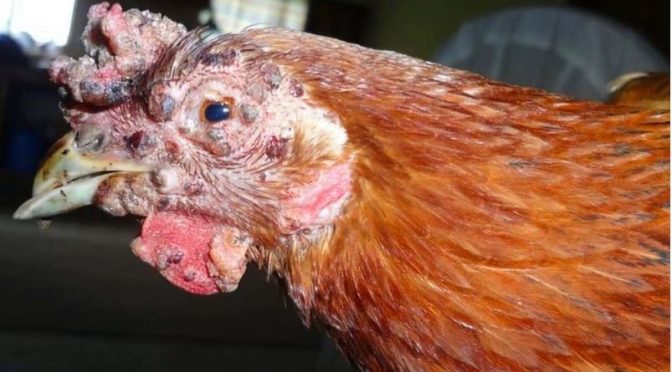
This is a viral disease that causes skin lesions and/or plaques on combs and wattles, caseous

deposits in the mouth and depression. There are no treatments, but vaccines are available.

Gangrenous dermatitis

A bacterial wound infection, this causes clinical disease, and sometimes sudden death, in

immunosuppressed birds. Penicillin is effective if used early.


Gape

This is a nematode infection that causes gaping, dysnpoea, head shaking and anorexia.

Flubendazole is effective for treatment and prevention.


Gizzard worms

Several types of nematode are implicated with gizzard worms, causing depression, weight loss and

poor thrift. Levamisole and flubendazole are effective.


Haemorrhagic disease

This is a complex condition associated with drug toxicities, mycotoxins and viral infections. Usually

follows a course of about three weeks. Signs include depression, anorexia, poor growth, pallor or

blood in the faeces. Treatment includes vitamin K, the removal of sulphonamides and adding liver

solubles to feed.


Histamonosis (blackhead)

A protozoan parasite that mainly affects turkeys, this can, however, be significant in breeding

chickens and free-range layers. Earthworms host the larvae, and the disease causes cyanosis of

the head, bloody droppings, depression and anorexia. Chickens are a major source of infection for

turkeys, so the two species should not be kept together.


Impaction and foreign bodies of the gizzard

The normal function of the gizzard is to aid in the physical grinding of food materials to reduce their

particle size to aid digestion. The gizzard or crop may become impacted with litter, grass, string etc,

causing anorexia and poor thrift. Palpation of the gizzard will reveal a mass firmer than normal, and

the magic combination of a heroic vet and a devoted owner will often result in general anaesthesia,

a hefty bill, and sometimes even a live chicken at the end of it.


Inclusion body hepatitis

A disease characterised by acute mortality, often with severe anaemia, this is caused by an

adenovirus. There are several different serotypes involved, but they may also be isolated from

healthy chickens. Signs include depression, inappetence, pallor and ruffled feathers. There is no

treatment, but soluble multivitamins may help recovery.


Infectious bronchitis

This is probably the most common respiratory disease of commercially farmed chickens, but less

common in backyard hens, where poor ventilation and high density are not an issue.

Morbidity is very high and signs include depression, huddling, coughing, gasping and dyspnoea,

diarrhoea, and polyuria. Antigenic variations of the virus can cause egg drop, soft or rough-shelled

eggs, and loss of egg quality. Treatment is via sodium salicylate at 1gm/litre where permitted, and

antibiotics to control secondary infection. Vaccines are available.


Infectious bursal disease

This is a viral disease that targets the bursal component of the immune system of chickens, making

the chickens more susceptible to concurrent diseases. There are non-specific signs, including

depression, anorexia, unsteadiness, huddling and diarrhoea with urates in mucus. There is no

specific treatment.


Infectious coryza

A highly infectious disease, this is characterised by catarrhal inflammation of the upper respiratory

tract. There is facial swelling, purulent ocular and nasal discharge, swollen wattles, sneezing,

dyspnoea, loss of condition, egg drop and inappetence. Treatment with streptomycin,

sulphonamides, tylosin or erythromycin can be beneficial.


Infectious laryngotracheitis

This is a herpesvirus with high morbidity and up to 70 per cent mortality. Dysnpoea, gasping,

coughing of mucus and blood, egg drop, ocular discharge, sinusitis and nasal discharge are all

signs. There is no treatment, other than antibiotics, to control secondary infection.

Lymphoid leukocis

With this condition, affected birds become weaker and emaciated. There is regression of the comb.

The abdomen becomes enlarged, and greenish diarrhoea develops in the terminal stages. There

are no treatments available.


Marek’ s disease

This is a herpesvirus infection with various manifestations – neurological and visceral (tumours in

the heart, ovary, testes, muscles and/or lungs, and cutaneous (tumours of feather follicles).

Morbidity is 10 to 50 per cent and mortality is up to 100 per cent. There is no treatment, but

vaccines are available.

Mycoplasma gallisepticum

This is a chronic respiratory disease that causes coughing, nasal and ocular discharge, poor

productivity, slow growth, leg problems, stunting and inappetence. Treatment is with tilmicosin,

tylosin, spiramycin, tetracyclines or fluoroquinolones, and vaccines are available.


Mycoplasma synoviae

With this condition, infection is via the conjunctiva or upper respiratory tract. Signs include

depression, lameness, swelling of the hocks, shanks and feet and inappetence. Treatment is via

antibiotics, as for M gallisepticum.


Mycotoxicosis

This is caused by toxins produced by moulds. Chickens are very resistant to the effects, but may

suffer from diarrhoea, paralysis or ataxia, poor food conversion efficiency and pallor. Antifungal

feed preservatives in food are a helpful preventive technique.


Necrotic enteritis

An acute or chronic enterotoxaemia caused by Clostridium pefringens. Causes diarrhoea, closed

eyes, immobility and inappetence. Treatment with penicillins can help.


Newcastle disease

Otherwise known as paramyxovirus one, this is a highly contagious and notifiable viral disease.

Signs are typically of a disease of the nervous, respiratory or reproductive systems. There are no

treatments available.


Red mite and northern fowl mite

The red mite feeds by sucking blood, and can be seen on the birds at night. The northern fowl mite

is grey, but still large enough to be seen with the naked eye. Affected birds are pruritic, restless and

may have anaemia (pale wattles and combs). Pyrethroids, organophosphates, carbamates,

vegetable oil or mineral oil have been used to control red mites. For northern fowl mites, it is

essential to apply approved insecticides to the birds.

Respiratory adenovirus infection

This condition exhibits mild snick and cough without mortality. No treatment is required.


Respiratory disease complex

A number of respiratory viruses and bacteria may be involved with this condition. Signs include

snick, sneezing, head swelling, conjunctivitis, nasal exudates and rattling noises. Antibiotics may provide some help.


Salmonella gallinarum ( fowl typhoid)

This condition causes dejection, ruffled feathers, inappetence, thirst, yellow diarrhoea and reluctance to move.

Treatment is with amoxycillin, potentiated sulphonamides, tetracyclines or fluoroquinolones.


Staphylococcal arthritis or bumble foot

This infection is usually obtained by the respiratory route, but wounds may present another mode of entry. Lameness, depression and occasional mortality may be seen. Antibiotics can help.


Ticks

Ticks are rarely a problem in the UK. They can cause anaemia and weakness, and insecticide sprays in the birds’ housing is more likely to be effective than treatment of the birds themselves.


Trichomoniasis

This is a protozoan parasite, and signs include open mouths, drooling and repeated swallowing

movements, loss of condition, and (sometimes) watery eyes and nervous signs. Treatment

includes dimetridazole, nithiazide and enheptin.


Ulcerative enteritis

This is an acute, highly contagious disease caused by Clostridium colinum and characterised by

ulcers of the intestines and caecae, causing diarrhoea, anaemia and depression. Treatment with

antibiotics and multivitamins helps.

  • The author states that some drugs mentioned in this article are not licensed for avian use in the UK.

Agribusiness: Growing Ideas, Cultivating Success

Agriculture is no longer just about planting and harvesting—it is a business, a science, and a powerful driver of economic growth. Welcome to our Agribusiness Blog, a platform dedicated to exploring the opportunities, challenges, and innovations shaping modern farming.

Whether you are a small-scale farmer, an agripreneur, an investor, or simply someone curious about agriculture, this blog is designed with you in mind. We believe that agribusiness is the future of sustainable development, especially in Kenya where agriculture remains the backbone of the economy.

Why Agribusiness Matters

Agribusiness goes beyond traditional farming. It includes everything from production and processing to marketing and distribution. With rising food demand, climate change, and technological advancements, the agricultural sector is evolving rapidly.

This blog will help you stay informed and competitive by providing insights into:

  • Profitable farming ventures in Kenya
  • Market trends and agribusiness opportunities
  • Value addition and agribusiness strategies
  • Sustainable and climate-smart agriculture
  • Access to finance and agritech innovations

What You Can Expect

We share practical, easy-to-understand content that you can apply directly to your farming or agribusiness journey. Expect:

  • Step-by-step guides on starting agribusiness ventures
  • Tips to increase farm productivity and profits
  • Success stories from Kenyan farmers and agripreneurs
  • Updates on agricultural policies and market trends
  • Reviews of modern farming tools and technologies

Our Mission

Our mission is simple: to empower farmers and agribusiness enthusiasts with knowledge that transforms agriculture into a profitable and sustainable enterprise. We aim to bridge the gap between traditional farming and modern agribusiness practices in Kenya and across Africa.

Join the Journey

Agriculture is changing—and those who adapt will thrive. Whether you are growing crops, raising livestock, or exploring agribusiness opportunities, this blog will be your trusted companion.

Stay connected, stay informed, and let’s grow together.

Welcome to the future of farming. Welcome to Agribusiness.