Diseases are one of the greatest pitfalls to running a poultry venture. This is true for all farmers, big or small, and so understanding common chicken diseases can save you from losses.
In this guide, show you the most common diseases affecting chickens, their signs, and possible treatments. While this information is helpful, please consult a veterinarian before starting any treatment plan.
Why Disease Control Matters
Healthy birds almost always translate to more productivity. You will get more eggs, and they will start laying earlier. For meat, the chickens reach market weight earlier. Poultry diseases can spread quickly, so good control is advised. Deploy biosecurity, vaccinate, disinfect, treat and cull. Early detection and proper management are therefore critical.
Viral Diseases to Watch Out For
Viral diseases are the most serious since they have no cure. A robust vaccination schedule must be adhered to to avoid or reduce cases.
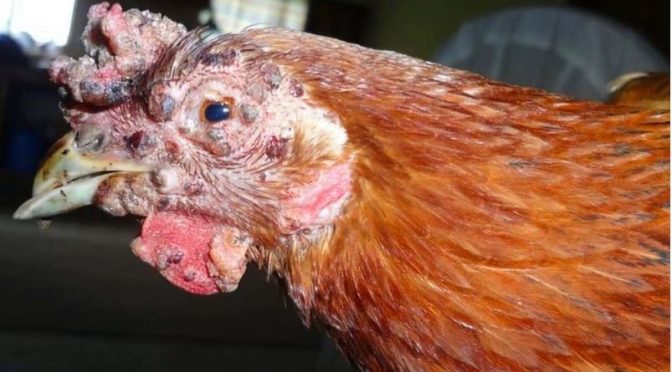
Fowl pox causes wart-like scabs on unfeathered skin (dry form) or yellowish plaques in the mouth and throat (wet form). It is contagious but slow-spreading. While it cannot be transmitted to humans, it requires specific management to resolve safely
Avian Influenza is one of the most dangerous. It causes coughing, depression, diarrhoea, and sudden death. Because it spreads rapidly, affected birds are usually culled to prevent outbreaks.
Newcastle Disease is another highly contagious infection affecting the respiratory, nervous, and digestive systems. There is no treatment, making vaccination essential.
Marek’s Disease leads to tumours and paralysis. Again, prevention through vaccination is the only reliable control.
Infectious Bronchitis is more common in crowded systems. Birds may cough, gasp, and show reduced egg production. While there’s no direct cure, supportive care and vaccination help manage it.
Amyloidosis is a disease caused by a coronavirus, leading to high morbidity and up to 25% mortality. Birds may show muscular tremors or die suddenly. Treatment includes sodium salicylate and antibiotics for secondary infections.
Bacterial Diseases
Bacterial infections are common but often treatable if caught early.
Colibacillosis, caused by E. coli, is one of the most widespread infections in poultry. It often follows respiratory illness and results in poor growth and weakness.
Fowl Cholera, caused by Pasteurella multocida, can lead to very high death rates. Long-term antibiotic treatment and vaccination are important control measures.
Erysipelas causes sudden death, depression, and swollen tissues, but responds well to penicillin when treated early.
Fungal and Parasitic Infections
Fungal and Parasitic Infections are usually a result of poor hygiene. They therefore should be the easiest to control.
Aspergillosis is a fungal infection. It is linked to poor ventilation and overcrowding. Affected birds struggle to breathe and lose appetite. Treat affected flocks by improving airflow and using antifungal treatments.
Coccidiosis is one of the most common and costly diseases, especially in young birds. It causes diarrhoea, sometimes with blood, and rapid weight loss. Treatment with sulphonamides and preventive feed additives is common.
Capillariasis and Gape Worm are parasites that reside in the stomach and intestine. They impair digestion and breathing. Control is achieved easily by deworming regularly
External Parasites
External parasites can be easily ignored because they ordinarily do not kill. But they make the birds uncomfortable and agitated. They can also make the birds weak and reduce productivity.
Biting lice and mites cause irritation, feather loss, and anaemia. These pests are usually visible on the bird or in housing. Treatment involves insecticides and maintaining clean housing conditions.
Nutritional and Environmental Conditions
When chicken feed is of poor quality, it can lead to nutritional deficiencies. Nutrition deficiency manifest as very serious conditions, usually of nerves and legs. Birds are unable to walk or maintain balance. Because nutritional deficiency also leads to loss of appetite, birds quickly lose weight and egg production suffers.
Chondrodystrophy, for example, causes deformities in the legs and crazy chick disease is caused by a lack of vitamin E.
Prevention Is Always Better Than Cure
The best way to manage poultry diseases is prevention. Here are key practices every farmer should follow:
- Maintain hygiene. Clean the living areas regularly. Disinfect. Clean feeders and drinkers daily
- Allow for the correct density of birds for you are
- Keep the houses well ventilated
- Provide balanced nutrition
- Follow the vaccination schedule
- Isolate sick birds immediately
Final Thoughts
When in doubt, consult a veterinarian. It’s a small cost compared to losing an entire flock. Consult widely. With the right knowledge put in practice, you can build a profitable poultry enterprise.
Related posts:

Powered by YARPP.