Category Archives: Agribusiness

Poultry Farming

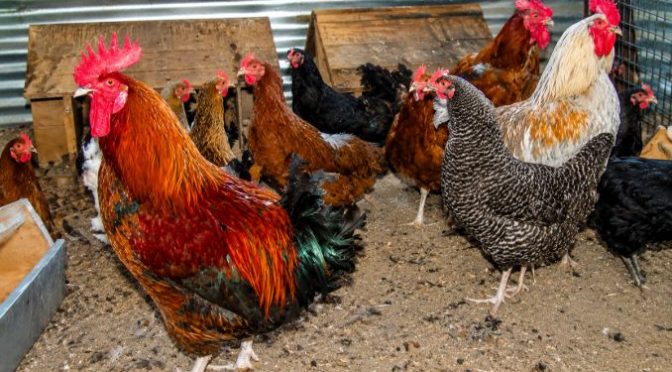
Poultry farming remains one of the most accessible and profitable agribusiness ventures for smallholder farmers. It requires relatively low capital, occupies minimal space, and offers quick returns compared to many other farming activities. However, success in poultry farming depends largely on choosing the right type of bird based on your goals, resources, and market demand. Below are some of the most viable poultry options for small-scale farmers.

1. Chicken Farming

Chicken farming is by far the most popular form of poultry farming. It is broadly divided into two main categories: layers and broilers.

Layers are raised specifically for egg production. They begin laying eggs at around 18–20 weeks and can produce consistently for up to a year. This makes them ideal for farmers targeting a steady income stream from egg sales. Broilers, on the other hand, are raised for meat. They grow quickly and are ready for market in as little as 5–8 weeks, making them suitable for farmers looking for fast returns.

There are also indigenous (kienyeji) chickens, which are hardy, require less intensive management, and are highly preferred in local markets for their taste. Though they grow slower, they often fetch higher prices.

2. Duck Farming

Duck farming is gaining popularity among smallholder farmers due to its resilience and low maintenance requirements. Ducks are generally more disease-resistant than chickens and can thrive in environments where chickens may struggle.

They are raised for both eggs and meat. Duck eggs are larger and richer than chicken eggs, making them attractive in niche markets. Additionally, ducks can feed on natural sources such as insects, weeds, and small aquatic organisms, reducing feeding costs. Farmers with access to water bodies or wet areas can particularly benefit from duck farming.

3. Goose Farming

Geese are less common but present a unique opportunity for diversification. They are hardy birds that require minimal shelter and can graze on grass, significantly lowering feed expenses.

Geese are mainly raised for meat, feathers, and sometimes eggs. Their meat is considered a delicacy in certain markets, allowing farmers to tap into premium pricing. Additionally, geese are known to be excellent “watch animals” due to their alert and protective nature, making them a dual-purpose investment.

4. Turkey Farming

Turkey farming is another promising but underutilized venture. Turkeys grow larger than chickens and can provide substantial meat yield per bird. They are especially in high demand during festive seasons, offering farmers an opportunity to earn premium prices.

However, turkeys require slightly more care, especially when young, as they are more sensitive to environmental conditions. With proper management, they can be a profitable addition to a smallholder poultry system.

5. Ornamental Poultry

Ornamental poultry farming focuses on raising birds for aesthetic purposes rather than meat or egg production. These include breeds such as peacocks, guinea fowl, bantams, and exotic chicken varieties.

This niche market caters to hobbyists, hotels, parks, and high-end buyers looking for unique and attractive birds. While the market may be smaller, the returns per bird can be significantly higher. Ornamental poultry also adds diversity and appeal to a farm.

6. Guinea Fowl Farming

Guinea fowl are increasingly popular due to their adaptability and low maintenance. They are resistant to many diseases and are excellent for pest control, feeding on ticks and insects.

They are raised for both meat and eggs, with their meat being lean and highly nutritious. Guinea fowl are also well-suited to free-range systems, making them ideal for farmers with limited resources.

Conclusion

Smallholder poultry farming offers a wide range of opportunities beyond traditional chicken farming. Whether you choose chickens, ducks, geese, turkeys, or ornamental birds, each type has its own advantages and market potential. The key to success lies in understanding your target market, available resources, and management capacity. By selecting the right type of poultry, farmers can build a sustainable and profitable enterprise.

How to Decide your Chicken Agribusiness Niche

Poultry farming is one of the leading sources of income for many families in Kenya today. From small backyard setups to large commercial operations, the sector continues to grow due to increasing demand for chicken meat and eggs. However, despite its potential, many farmers enter the Chicken Agribusiness without properly analysing their niche. This often leads to losses, frustration, and eventual exit from the market.

Understanding your niche is the first and most important step in building a successful poultry business. In simple terms, chickens are reared for two main purposes: eggs or meat. Based on this, poultry farming can be grouped into two broad categories—chicken reared for meat production and chicken reared for egg production. Each category requires different breeds, management practices, and investment strategies.

Broilesrs

Broilers are the most common type of chicken reared for meat. They are specifically bred for rapid growth and efficient feed conversion. Under proper management, broilers can reach market weight within four to six weeks. This makes them ideal for farmers looking for quick returns. However, they require close monitoring, high-quality feed, proper housing, and strict disease control. Because of their fast growth, broilers are more sensitive to environmental changes and diseases, which means they demand a higher level of care and investment.

Layers

Layers, on the other hand, are bred for egg production. Exotic layer breeds are highly productive and can lay eggs consistently throughout the year. Unlike indigenous chickens, most layers do not brood or sit on eggs, which allows them to focus their energy on continuous egg production. A well-managed layer can produce over 250 eggs per year. This makes layers a reliable source of steady income, especially for farmers targeting the egg market. However, they also require proper feeding, vaccination, and lighting conditions to maintain optimal productivity.

Kienyeji (indigenous)

Kienyeji (indigenous) chickens are another important category in Kenya. They are widely preferred due to their hardiness and ability to survive in free-range conditions. These chickens are naturally resistant to many common diseases and can forage for a significant portion of their food, reducing feeding costs. Many consumers also prefer kienyeji chicken because of its perceived superior taste and nutritional value compared to exotic breeds.

Pure Kienyeji

Pure or unimproved kienyeji chickens have not undergone selective breeding. One of their key characteristics is their ability to brood—they naturally sit on and hatch their eggs. While they produce fewer eggs and grow more slowly than exotic breeds, they are easier to manage and better suited for low-input farming systems. Their adaptability to local conditions makes them ideal for farmers in rural or resource-limited settings.

Improved Kienyeji

Improved kienyeji chickens are a result of selective breeding aimed at combining the resilience of indigenous chickens with the productivity of exotic breeds. These chickens grow faster, produce more eggs, and reach market weight earlier than traditional kienyeji. Most improved kienyeji do not brood, allowing for more consistent production. They can reach market weight in about four months, although many farmers prefer to sell them at around six months for better meat quality.

Several improved kienyeji breeds are available in the Kenyan market today, including Sasso, KARI Improved Kienyeji, Kuroiler, Rainbow Rooster, and Kenbro. Each of these breeds has unique characteristics in terms of growth rate, egg production, and adaptability, so farmers should choose based on their specific goals and environmental conditions.

In conclusion, success in poultry farming depends on choosing the right type of chicken for your intended market. Whether you focus on meat, eggs, or a combination of both, understanding the strengths and requirements of each breed will help you make informed decisions and maximise your returns.

Most Common Chicken Diseases

How to Identify and Treat Vitamin Deficiencies in Chicken

In this article, we’ll explore the signs that can indicate nutrient deficiencies in chickens. It’s important to keep a close eye on our feathered friends as they rely on a balanced diet for their optimal health and well-being. By recognising these signs, we can take the necessary steps to ensure our chickens receive the proper nutrition they need to live happy and healthy lives. So, let’s dive into the world of chickens and uncover the clues that might reveal their nutrient deficiencies. Nutrient deficiencies in chickens can lead to a range of health problems and can have a significant impact on their overall well-being. In this article, we will explore the signs and symptoms of various vitamin and mineral deficiencies in chickens, as well as the potential consequences that these deficiencies can have on their reproductive health, growth, and overall vitality.

Vitamin A Deficiency

Vitamin A plays a crucial role in maintaining healthy eyesight, immune function, and reproduction in chickens. When chickens lack sufficient vitamin A in their diet, it can lead to various health issues. One of the most noticeable signs of vitamin A deficiency is eye abnormalities. Chickens with vitamin A deficiency may develop crusty or watery eyes, and their vision may become impaired. Another consequence of vitamin A deficiency is reproductive problems in hens, which can result in reduced egg production or even infertility. Additionally, chickens with vitamin A deficiency may experience stunted growth, with their overall development being hindered.

Vitamin D Deficiency

Vitamin D is necessary for the proper absorption of calcium and phosphorus, which are vital for maintaining strong bones and overall skeletal health in chickens. When chickens do not receive adequate amounts of vitamin D, they can develop a condition called rickets. Rickets is characterized by soft or weak bones, which can lead to leg deformities and difficulty in walking or moving properly. Chickens with vitamin D deficiency may have bowed legs or abnormal bone growth. It is important to ensure that chickens have access to sunlight or a dietary source of vitamin D to prevent such skeletal issues.

Vitamin E Deficiency

Vitamin E is an essential antioxidant that plays a crucial role in muscle health, immune function, and reproduction in chickens. Inadequate vitamin E levels can lead to muscular dystrophy in chickens, which manifests as muscle weakness, poor muscle coordination, and difficulty in movement. Vitamin E deficiency can also compromise the immune system of chickens, making them more susceptible to infections and diseases. Furthermore, inadequate vitamin E intake can affect egg hatchability, resulting in decreased fertility and poor hatch rates. Supplementing chickens’ diet with vitamin E-rich foods or making sure they have access to a well-balanced diet is essential for preventing these issues.

Vitamin K Deficiency

Vitamin K is necessary for blood clotting, and its deficiency can have severe consequences for chickens. When chickens lack sufficient vitamin K, they may experience poor blood clotting, making them more prone to excessive bleeding. Even minor injuries can lead to significant blood loss in chickens with vitamin K deficiency. This deficiency can be particularly dangerous during egg-laying, as hens with inadequate vitamin K levels may experience excessive bleeding during the laying process. Supplementing chickens’ diet with vitamin K can help prevent these life-threatening issues.

Vitamin B Deficiencies

Vitamin B complex, including B1, B2, B3, B5, B6, B7, B9, and B12, are essential for various physiological functions in chickens. Deficiencies in these vitamins can have a wide range of effects, including slow growth, poor feather quality, and neurological disorders. Chickens with vitamin B deficiencies may exhibit stunted growth, with their overall development being hindered. Additionally, their feathers may appear dull, brittle, or even fall out. Neurological disorders, such as tremors or paralysis, can also occur in chickens with vitamin B deficiencies. Ensuring that chickens have a well-balanced diet that includes adequate levels of vitamin B complex is crucial for their overall health and vitality.

Calcium Deficiency

Calcium is vital for chickens, particularly for the development and maintenance of strong bones and eggshell formation. When chickens do not receive sufficient calcium in their diet, it can result in thin-shelled or soft-shelled eggs. These eggs are more prone to cracking or breaking, compromising the health of the developing chicks. Additionally, calcium deficiency can lead to leg and wing weakness in chickens, making it difficult for them to move or fly properly. Ensuring that chickens have access to calcium-rich food sources, such as crushed oyster shells or calcium supplements, can help prevent these issues.

Phosphorus Deficiency

Phosphorus works in conjunction with calcium to support bone health and overall growth in chickens. When chickens lack sufficient phosphorus in their diet, they may exhibit signs such as loss of appetite, stunted growth, and weakness and lethargy. Phosphorus deficiency can significantly impact a chicken’s overall vitality and ability to thrive. It is important to provide chickens with a well-balanced diet that includes appropriate levels of phosphorus to ensure their optimal growth and development.

Iron Deficiency

Iron is essential for the production of haemoglobin, a protein responsible for transporting oxygen in the blood. In chickens, iron deficiency can manifest as pale comb and wattles, which are typically bright red in healthy chickens. Chickens with iron deficiency may also experience reduced egg production and lethargy. Ensuring a diet that includes iron-rich foods, such as leafy greens or iron supplements, can help prevent these issues and promote the overall well-being of chickens.

Copper Deficiency

Copper is necessary for various physiological processes in chickens, including the formation of pigmentation in feathers and proper growth. When chickens lack sufficient copper in their diet, it can result in poor feather pigmentation, with their feathers appearing dull or discoloured. Copper deficiency can also lead to reduced growth in chickens, impacting their overall development. Including copper-rich foods, such as liver or other organ meats, in chickens’ diets can help prevent these issues and promote their overall health.

Iodine Deficiency

Iodine is essential for the production of thyroid hormones, which regulate metabolism and growth in chickens. When chickens lack sufficient iodine in their diet, it can result in an enlarged thyroid gland, known as goitre. Chickens with iodine deficiency may also experience reduced egg production and slowed growth. Including iodine-rich foods, such as seaweed or iodised salt, in chickens’ diets can help prevent these issues and support their overall well-being.

In conclusion, nutrient deficiencies in chickens can have significant consequences for their health and well-being. These deficiencies can affect their reproductive health, growth, and vitality, leading to a variety of signs and symptoms. It is important for chicken owners to provide a well-balanced diet that includes appropriate levels of vitamins, minerals, and other essential nutrients to ensure the optimal health and development of their feathered friends. Regular monitoring of chickens’ overall health and consulting with a veterinarian can also help detect and address any potential nutrient deficiencies promptly. By prioritising their nutritional needs, chicken owners can support the long and healthy lives of their beloved poultry.

See mixing your own chicken feed

Common Diseases in Chicken

Diseases are one of the greatest pitfalls to running a poultry venture. This is true for all farmers, big or small, and so understanding common chicken diseases can save you from losses.

In this guide, show you the most common diseases affecting chickens, their signs, and possible treatments. While this information is helpful,  please consult a veterinarian before starting any treatment plan.

Why Disease Control Matters

Healthy birds almost always translate to more productivity. You will get more eggs, and they will start laying earlier. For meat, the chickens reach market weight earlier. Poultry diseases can spread quickly, so good control is advised.  Deploy biosecurity, vaccinate, disinfect, treat and cull.  Early detection and proper management are therefore critical.

Viral Diseases to Watch Out For

Viral diseases are the most serious since they have no cure. A robust vaccination schedule must be adhered to to avoid or reduce cases.

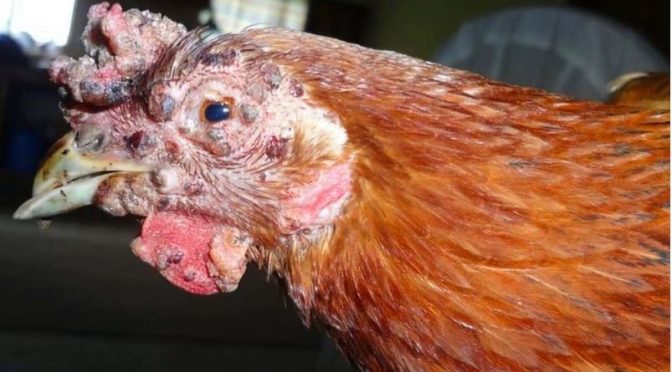
Fowl pox causes wart-like scabs on unfeathered skin (dry form) or yellowish plaques in the mouth and throat (wet form). It is contagious but slow-spreading. While it cannot be transmitted to humans, it requires specific management to resolve safely

Avian Influenza is one of the most dangerous. It causes coughing, depression, diarrhoea, and sudden death. Because it spreads rapidly, affected birds are usually culled to prevent outbreaks.

Newcastle Disease is another highly contagious infection affecting the respiratory, nervous, and digestive systems. There is no treatment, making vaccination essential.

Marek’s Disease leads to tumours and paralysis. Again, prevention through vaccination is the only reliable control.

Infectious Bronchitis is more common in crowded systems. Birds may cough, gasp, and show reduced egg production. While there’s no direct cure, supportive care and vaccination help manage it.

Amyloidosis is a disease caused by a coronavirus, leading to high morbidity and up to 25% mortality. Birds may show muscular tremors or die suddenly. Treatment includes sodium salicylate and antibiotics for secondary infections.


Bacterial Diseases

Bacterial infections are common but often treatable if caught early.

Colibacillosis, caused by E. coli, is one of the most widespread infections in poultry. It often follows respiratory illness and results in poor growth and weakness.

Fowl Cholera, caused by Pasteurella multocida, can lead to very high death rates. Long-term antibiotic treatment and vaccination are important control measures.

Erysipelas causes sudden death, depression, and swollen tissues, but responds well to penicillin when treated early.


Fungal and Parasitic Infections

Fungal and Parasitic Infections are usually a result of poor hygiene. They therefore should be the easiest to control.

Aspergillosis is a fungal infection. It is linked to poor ventilation and overcrowding. Affected birds struggle to breathe and lose appetite. Treat affected flocks by improving airflow and using antifungal treatments.

Coccidiosis is one of the most common and costly diseases, especially in young birds. It causes diarrhoea, sometimes with blood, and rapid weight loss. Treatment with sulphonamides and preventive feed additives is common.

Capillariasis and Gape Worm are parasites that reside in the stomach and intestine. They impair digestion and breathing. Control is achieved easily by deworming regularly


External Parasites

External parasites can be easily ignored because they ordinarily do not kill. But they make the birds uncomfortable and agitated.  They can also make the birds weak and reduce productivity.

Biting lice and mites cause irritation, feather loss, and anaemia. These pests are usually visible on the bird or in housing. Treatment involves insecticides and maintaining clean housing conditions.


Nutritional and Environmental Conditions

When chicken feed is of poor quality, it can lead to nutritional deficiencies. Nutrition deficiency manifest as very serious conditions, usually of nerves and legs. Birds are unable to walk or maintain balance. Because nutritional deficiency also leads to loss of appetite, birds quickly lose weight and egg production suffers.

Chondrodystrophy, for example, causes deformities in the legs and crazy chick disease is caused by a lack of vitamin E.


Prevention Is Always Better Than Cure

The best way to manage poultry diseases is prevention. Here are key practices every farmer should follow:

  • Maintain hygiene. Clean the living areas regularly. Disinfect. Clean feeders and drinkers daily
  • Allow for the correct density of birds for you are
  • Keep the houses well ventilated
  • Provide balanced nutrition
  • Follow the vaccination schedule
  • Isolate sick birds immediately

Final Thoughts

When in doubt, consult a veterinarian. It’s a small cost compared to losing an entire flock. Consult widely. With the right knowledge put in practice, you can build a profitable poultry enterprise.

Agribusiness

Ever since independence, agriculture has been the bedrock of the Kenyan economy. More and more people are entering the industry as a business.  When you take on Agribusiness, you need to think wider than planting and harvesting. You need to know your niche in the market as much as your strong points on the farm. Our Agribusiness Blog is a platform dedicated to exploring the market opportunities, challenges, and innovations shaping modern farming.

We have something for a small-scale farmer, an agripreneur, an investor alike.

Why Agribusiness Matters

Agribusiness goes beyond traditional farming. For success a farmer needs to understand the entire value chain. The source of your farm inputs matters as much as your market. Your production and processing affect your marketing and distribution. With rising food demand, climate change, and technological advancements, the agricultural sector is evolving rapidly.

This blog will help you stay connected to your agribusiness niche in order to remain a profitable farming venture. We try to guide you on market trends and agribusiness opportunities, including value addition, sustainable and climate-smart agriculture and access to finance.

What You Can Expect

Our howto are practical and easy-to-understand. They are taken from the field so you can apply directly to your farming or agribusiness journey. They include the following:

  • How-to guides on starting various agribusiness ventures
  • Tips to increase farm productivity and profits
  • How to market and sell your produce
  • Regulatory and statutory updates on agricultural policies
  • Reviews of modern farming tools and technologies

Our Mission

Our mission is simple: to empower farmers and agribusiness enthusiasts with knowledge that transforms agriculture into a profitable and sustainable enterprise. We aim to bridge the gap between traditional farming and modern agribusiness practices in Kenya and across Africa.

Join the Journey

Farming demands are changing rapidly. Only those who adapt will thrive. Whether you are growing crops, raising livestock, make this blog will be your friend. Hii safari ni yetu pamoja.

Welcome to the future of farming. Welcome to Agribusiness.

Common diseases in chicken