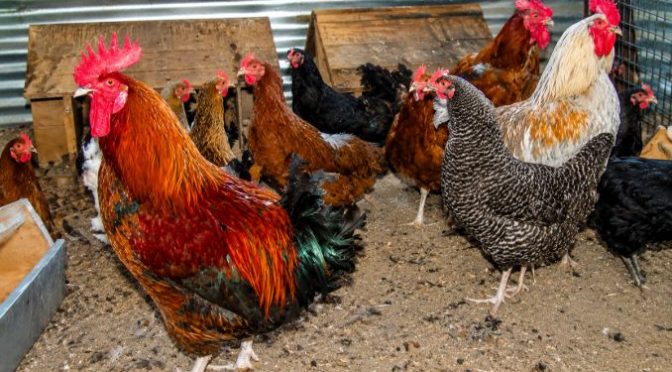
Poultry farming remains one of the most accessible and profitable agribusiness ventures for smallholder farmers. It requires relatively low capital, occupies minimal space, and offers quick returns compared to many other farming activities. However, success in poultry farming depends largely on choosing the right type of bird based on your goals, resources, and market demand. Below are some of the most viable poultry options for small-scale farmers.
1. Chicken Farming
Chicken farming is by far the most popular form of poultry farming. It is broadly divided into two main categories: layers and broilers.
Layers are raised specifically for egg production. They begin laying eggs at around 18–20 weeks and can produce consistently for up to a year. This makes them ideal for farmers targeting a steady income stream from egg sales. Broilers, on the other hand, are raised for meat. They grow quickly and are ready for market in as little as 5–8 weeks, making them suitable for farmers looking for fast returns.
There are also indigenous (kienyeji) chickens, which are hardy, require less intensive management, and are highly preferred in local markets for their taste. Though they grow slower, they often fetch higher prices.
2. Duck Farming
Duck farming is gaining popularity among smallholder farmers due to its resilience and low maintenance requirements. Ducks are generally more disease-resistant than chickens and can thrive in environments where chickens may struggle.
They are raised for both eggs and meat. Duck eggs are larger and richer than chicken eggs, making them attractive in niche markets. Additionally, ducks can feed on natural sources such as insects, weeds, and small aquatic organisms, reducing feeding costs. Farmers with access to water bodies or wet areas can particularly benefit from duck farming.
3. Goose Farming
Geese are less common but present a unique opportunity for diversification. They are hardy birds that require minimal shelter and can graze on grass, significantly lowering feed expenses.
Geese are mainly raised for meat, feathers, and sometimes eggs. Their meat is considered a delicacy in certain markets, allowing farmers to tap into premium pricing. Additionally, geese are known to be excellent “watch animals” due to their alert and protective nature, making them a dual-purpose investment.
4. Turkey Farming
Turkey farming is another promising but underutilized venture. Turkeys grow larger than chickens and can provide substantial meat yield per bird. They are especially in high demand during festive seasons, offering farmers an opportunity to earn premium prices.
However, turkeys require slightly more care, especially when young, as they are more sensitive to environmental conditions. With proper management, they can be a profitable addition to a smallholder poultry system.
5. Ornamental Poultry
Ornamental poultry farming focuses on raising birds for aesthetic purposes rather than meat or egg production. These include breeds such as peacocks, guinea fowl, bantams, and exotic chicken varieties.
This niche market caters to hobbyists, hotels, parks, and high-end buyers looking for unique and attractive birds. While the market may be smaller, the returns per bird can be significantly higher. Ornamental poultry also adds diversity and appeal to a farm.
6. Guinea Fowl Farming
Guinea fowl are increasingly popular due to their adaptability and low maintenance. They are resistant to many diseases and are excellent for pest control, feeding on ticks and insects.
They are raised for both meat and eggs, with their meat being lean and highly nutritious. Guinea fowl are also well-suited to free-range systems, making them ideal for farmers with limited resources.
Conclusion
Smallholder poultry farming offers a wide range of opportunities beyond traditional chicken farming. Whether you choose chickens, ducks, geese, turkeys, or ornamental birds, each type has its own advantages and market potential. The key to success lies in understanding your target market, available resources, and management capacity. By selecting the right type of poultry, farmers can build a sustainable and profitable enterprise.
Related posts:

Powered by YARPP.