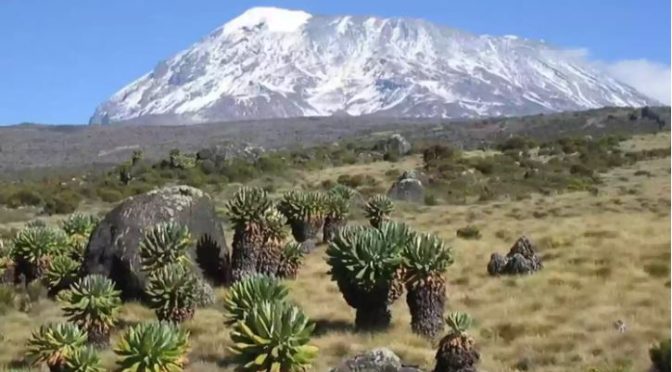
In this Mount Kilimanjaro packing list we break down the items you need to collect and test well advance. Some items are a must have, some are important or good to have while others are luxury items.
Below is the list
Key
**** Crucial to have
*** Important to have
** Good to have
* luxury
| ITEM | Description | QTY | Cost (Ksh) | Total cost(Ksh) | |
Clothing |
|||||
| Rain coat or poncho with hood**** | Waterproof enough to keep off heavy rain | 1 | 7,000.00 | 7,000.00 | |
| Warm jacket**** | Water resistant and breathable- can be made of down, thinsulate or fleece. Down and fleece dry much faster than wool | 1 | 15,000.00 | 15,000.00 | |
| Long Sleeve thermal vest*** | 3 | 2,000.00 | 6,000.00 | ||
| Short Sleeve Shirt, light-weight, moisture-wicking fabric | 5 | 2,000.00 | 10,000.00 | ||
| Waterproof trousers, breathable (side-zipper recommended)*** | 1 | 8,000.00 | 8,000.00 | ||
| Hiking Pants (convertible to shorts recommended)**** | 1 | 9,000.00 | 9,000.00 | ||
| Long Underwear (moisture-wicking fabric recommended) | 2 | 2,000.00 | 4,000.00 | ||
| Underwear (boxers or briefs)*** | moisture-wicking fabric recommended choose something that allows you to change in the presence of women |
3 | – | ||
| Gloves, warm (waterproof recommended)**** | 1 | 1,000.00 | 1,000.00 | ||
| Brimmed Hat, baseball cap for sun protection*** | 1 | 500.00 | 500.00 | ||
| Warm Head wear**** | Fleece or woollen cap. If you choose one that covers the sides and neck then you don’t need the balaclava and scarf | 1 | 1,000.00 | 1,000.00 | |
| Balaclava or scarf** | 1 | – | |||
| Hiking Boots**** | High cut, warm, waterproof, broken-in, half or one size larger to allow wearing excess socks. | 1 | 15,000.00 | 15,000.00 | |
| Gym shoes, trainers or sneakers*** | To wear at camp | 1 | 4,000.00 | 4,000.00 | |
| Socks**** | Thick, woollen or fleece. You might want to get a pair to use when testing boots | 6 | 200.00 | 1,200.00 | |
| Gaiters** | Effective in keeping water, pebbles out of your shoes and the lases in place | 1 | 1,500.00 | 1,500.00 | |
| – | |||||
Equipment |
– | ||||
| Sleeping Bag*** | rated +10 to +35 0F. Go for mummy type (with hood) as opposed to rectangular because it fits close to the body leaving less chance for cold spots. |
1 | 7,000.00 | 7,000.00 | |
| Head lamp, with extra batteries**** | for summit night | 1 | – | ||
| Rucksack*** | Enough for porters to carry your equipment in. Kili porters are allowed to carry only 15 Kg of your gear. Line it with garbage bags for extra water resistance. Use stuff bags to separate things e.g. socks and underwear, sleeping bag, toiletries, T-shirts, rainwear, used clothes etc. | 1 | 5,000.00 | 5,000.00 | |
| Backpack**** | with waterproof cover for you to carry items you may require during the day and delicate items like electronics and glass. | 1 | 5,000.00 | 5,000.00 | |
| Sunglasses or Goggles*** | Snow blindness can be catastrophic after Gilman’s point. Test glasses that you can wear on your spectacles | 1 | – | ||
| Vacuum flask* | To carry hot water to use after 5000 metres | 1 | – | ||
| Camel-back water pouch*** | Two litres capacity. Your potter can carry the extra water | 1 | 2,000.00 | 2,000.00 | |
| Small Towel*** | lightweight, quick-dry | 1 | – | ||
| Stuff bags* | to keep gear dry and separate e.g. a pouch each for shoes, socks and underwear, sleeping bag, wet towels, garbage, T-shirts, rainwear, used clothes etc. | 5 | 200.00 | 1,000.00 | |
| – | |||||
| – | |||||
| Other | – | ||||
| Toiletries**** | – | ||||
| Prescriptions*** | – | ||||
| Sunscreen*** | – | ||||
| Lip Balm*** | – | ||||
| Hand Sanitizer*** | – | ||||
| Toilet Paper*** | – | ||||
| Wet Wipes*** | – | ||||
| Snacks, light-weight, high calorie, high energy (optional)*** | – | ||||
| WC liner* | – | ||||
| Pencil and Notebook, miniature, for trip log (optional)* | – | ||||
| Camera, with extra batteries* | – | ||||
| Power bank* | from 10000mAh. Keep devices in Aeroplane mode to conserver power. | 1 | 10,000.00 | 10,000.00 | |
| Book reader/ePad* | – | ||||
| Board game (if in a group)* | – | ||||
| – | |||||
| Cost | – | ||||
| The direct cost of the trip from Nairobi are as follows | – | ||||
| To JKIA and back | 1 | 10,000.00 | 10,000.00 | ||
| JKI-JRO return ticket | 1 | 40,000.00 | 40,000.00 | ||
| JRO-Moshi and back | 1 | 9,000.00 | 9,000.00 | ||
| Trip Charges | covers hotel accommodation, accommodation on the mountain, porters salaries, food, travel to the park gate | 1 | 40,000.00 | 40,000.00 | |
| Tips | for sharing with your climb partners per the whole trip. – Support Crew sh300-sh400 – Cook sh600-sh800 – Chief Guide/guide sh1,000-sh1500 – assist Guide sh600-sh800 |
1 | 4,000.00 | 4,000.00 | |
| – | |||||
| Statutory Requirements | – | ||||
| Passport | – | ||||
| Yellow fever Papers | |||||
| For prep hikes | https://www.facebook.com/groups/hikerske/ | ||||
| https://www.facebook.com/groups/123821337675197/ | |||||
| For hiking gear | www.nairobisportshouse.com | ||||
| www.kingscollection.co.ke | |||||
| http://www.sportsdirect.com/ | |||||
| https://www.thenorthface.com/ | |||||
| https://www.jumia.co.ke | |||||
| http://www.yaya-centre.com/?portfolio=extreme-outdoors |