Poultry farming is one of the leading sources of income for many families in Kenya today. From small backyard setups to large commercial operations, the sector continues to grow due to increasing demand for chicken meat and eggs. However, despite its potential, many farmers enter the Chicken Agribusiness without properly analysing their niche. This often leads to losses, frustration, and eventual exit from the market.
Understanding your niche is the first and most important step in building a successful poultry business. In simple terms, chickens are reared for two main purposes: eggs or meat. Based on this, poultry farming can be grouped into two broad categories—chicken reared for meat production and chicken reared for egg production. Each category requires different breeds, management practices, and investment strategies.
Broilesrs
Broilers are the most common type of chicken reared for meat. They are specifically bred for rapid growth and efficient feed conversion. Under proper management, broilers can reach market weight within four to six weeks. This makes them ideal for farmers looking for quick returns. However, they require close monitoring, high-quality feed, proper housing, and strict disease control. Because of their fast growth, broilers are more sensitive to environmental changes and diseases, which means they demand a higher level of care and investment.
Layers
Layers, on the other hand, are bred for egg production. Exotic layer breeds are highly productive and can lay eggs consistently throughout the year. Unlike indigenous chickens, most layers do not brood or sit on eggs, which allows them to focus their energy on continuous egg production. A well-managed layer can produce over 250 eggs per year. This makes layers a reliable source of steady income, especially for farmers targeting the egg market. However, they also require proper feeding, vaccination, and lighting conditions to maintain optimal productivity.
Kienyeji (indigenous)
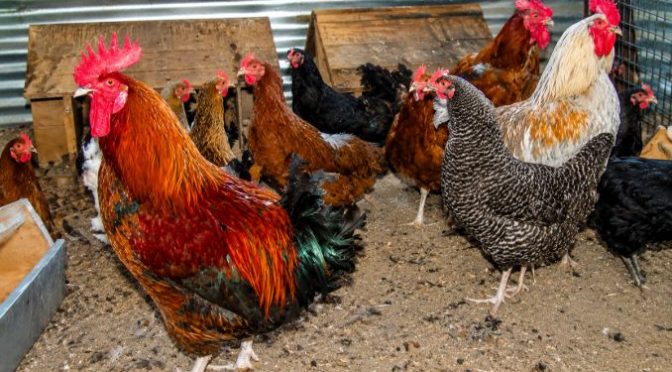
Kienyeji (indigenous) chickens are another important category in Kenya. They are widely preferred due to their hardiness and ability to survive in free-range conditions. These chickens are naturally resistant to many common diseases and can forage for a significant portion of their food, reducing feeding costs. Many consumers also prefer kienyeji chicken because of its perceived superior taste and nutritional value compared to exotic breeds.
Pure Kienyeji
Pure or unimproved kienyeji chickens have not undergone selective breeding. One of their key characteristics is their ability to brood—they naturally sit on and hatch their eggs. While they produce fewer eggs and grow more slowly than exotic breeds, they are easier to manage and better suited for low-input farming systems. Their adaptability to local conditions makes them ideal for farmers in rural or resource-limited settings.
Improved Kienyeji
Improved kienyeji chickens are a result of selective breeding aimed at combining the resilience of indigenous chickens with the productivity of exotic breeds. These chickens grow faster, produce more eggs, and reach market weight earlier than traditional kienyeji. Most improved kienyeji do not brood, allowing for more consistent production. They can reach market weight in about four months, although many farmers prefer to sell them at around six months for better meat quality.
Several improved kienyeji breeds are available in the Kenyan market today, including Sasso, KARI Improved Kienyeji, Kuroiler, Rainbow Rooster, and Kenbro. Each of these breeds has unique characteristics in terms of growth rate, egg production, and adaptability, so farmers should choose based on their specific goals and environmental conditions.
In conclusion, success in poultry farming depends on choosing the right type of chicken for your intended market. Whether you focus on meat, eggs, or a combination of both, understanding the strengths and requirements of each breed will help you make informed decisions and maximise your returns.